Honey Locust
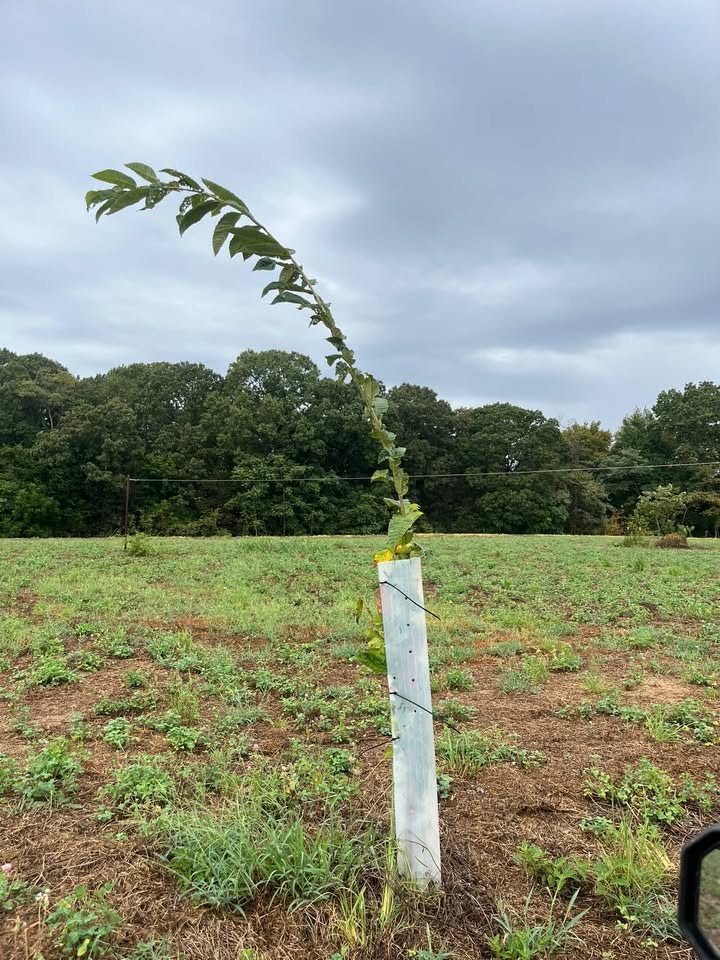
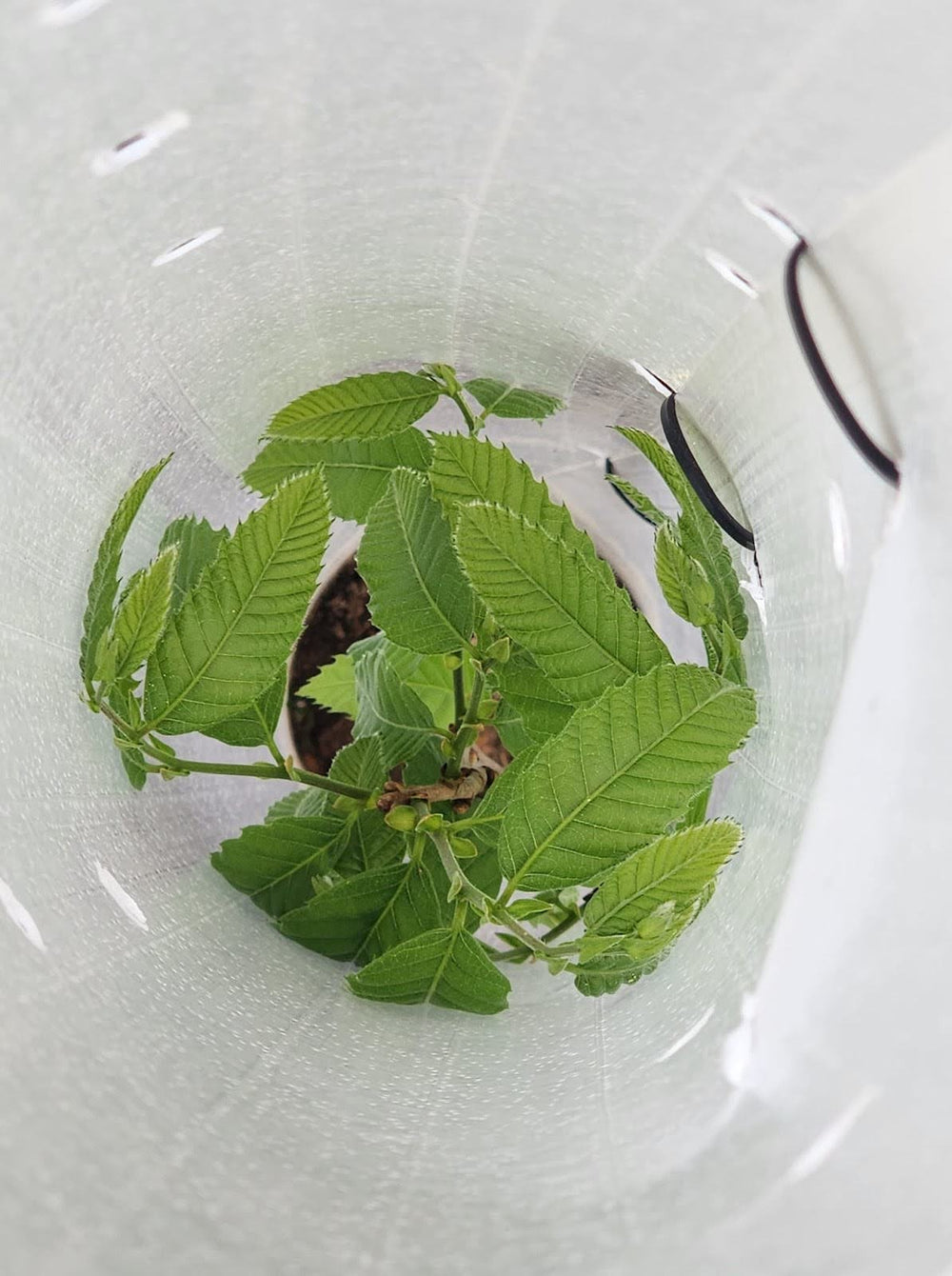
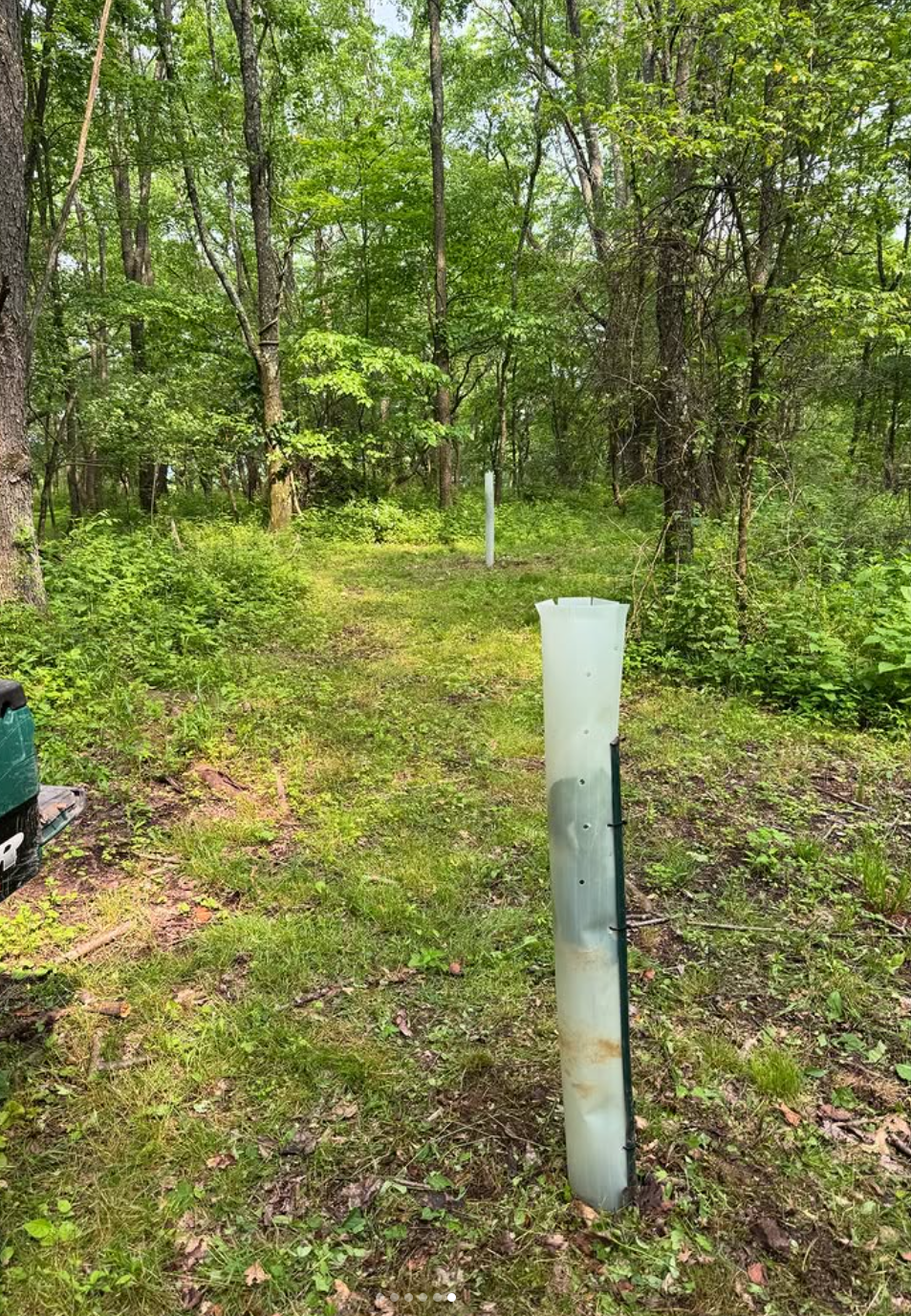
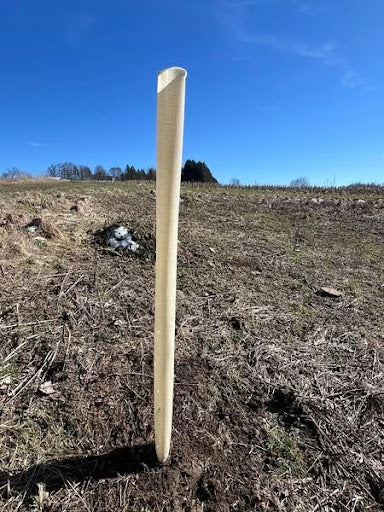
You're making an investment in your land — protect it. Each kit has a Tree Pro tube and a slow-release fertilizer block for one tree. The tube keeps deer and rabbits off and can double your growth rate; the fertilizer feeds the tree through its first season. Plant with a kit, follow the Growing Guide, and your trees are covered by our 1-Year Survival Guarantee.

What you're planting
- Drop Time
- Sept – Jan
- First Crop
- 5–8 years
- Produces
- Every year
- Pollination
- Plant 2 or more
- Zones
- 3–9
- Sun
- Full sun, tolerates some shade
- Soil & Site
- Very adaptable — marginal ground, field edges, streambanks. pH 6.0–8.0.
- Size & Spacing
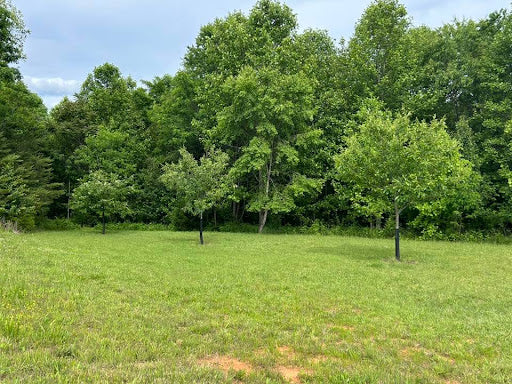
- 50–70ft · plant 25–30ft apart
Bean pods are late season food source for deer - tolerates very poor soils
Orders placed now are for Spring 2027 shipment
We take orders in advance and ship at the proper time for spring planting in your region — mid-December in the Deep South through the end of May up north. Pick your state under "When Will My Order Ship?" below and you’ll see your exact ship dates.
Get your order in now, we sell out early every season!
Honey Locust
Honey locust is a very unique tree with some surprising qualities that can make it very useful for land and habitat management. Honey locust is a fairly non-descript tree that flowers in the spring and produces large bean pods in the fall that are very attractive to wildlife. Honey locust flowers are small and often go unnoticed by the eye but are very attractive to pollinators.
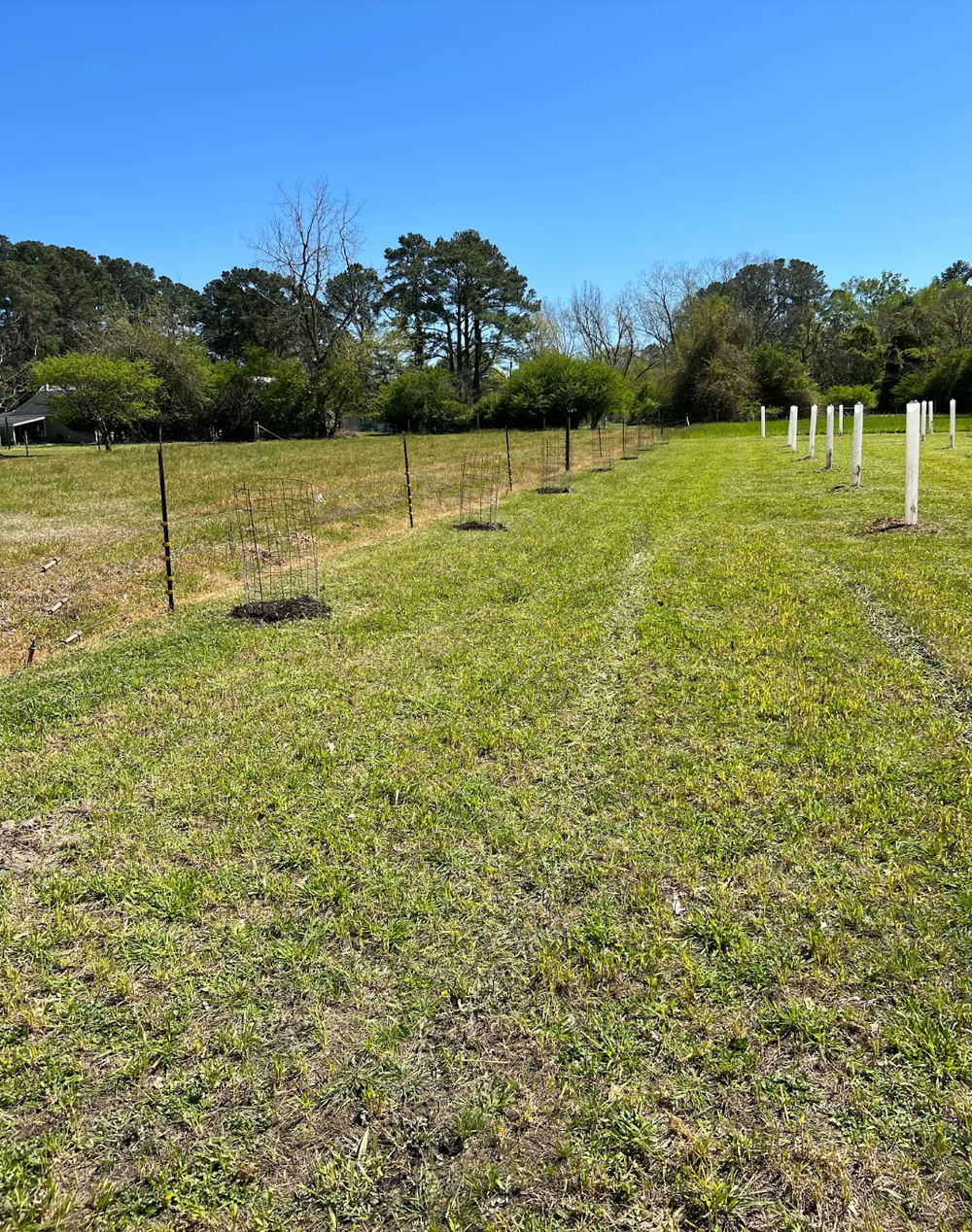
Seed pods develop and ripen in early fall and persist on the tree falling slowly throughout the fall and into January or early February. These seed pods are 8-14in long and contain beans inside that are sweet, some say they taste like honey. The sweet, honey-like, taste of the seeds is where honey locust gets its name. Deer and other wildlife including squirrels, turkeys, quail, raccoons, and opossums love these sweet bean pods and will stop by often to see what has fallen that day. Honey locust make a great addition around field edges and food plots. There they can get great sun and provide a specific point of attraction as deer filter into the plot or field making them a great stand site.
Honey locust not only provide great food source, they also put nitrogen into your soil. Scientists are still researching to determine whether nitrogen is produced from their roots, as in nitrogen fixing legumes like peas, or if it comes from their large volume of leaf drop. Honey locust do produce lots of leaf litter, this makes them great for building soil and incorporating more organic material into marginal soils. Consider planting them on log decks and washouts to help build soils. Honey locust are very hardy trees that will grow nearly anywhere so they wont mind the poor soils.
Another useful trait of honey locust is their ability to grow in alkaline areas with high pH and marginal soil. This makes them great for land reclamation. Areas previously used for mining are not usually suitable for many trees but honey locust can be an exception to that rule. They can help to reclaim the land and rebuild soils all while providing a good food source for wildlife. Honey locust trees have thorns.
Plant each tree with one of our Survival Kits (a Tree Pro tube and a slow-release fertilizer block), follow our planting instructions, and it’s covered by our 1-Year Survival Guarantee. Full details here.
Drop time: Sept-Jan
Growing zones: 3-9
Soil type: Marginal areas, field edges, streambanks, very adaptable and easy to grow. Tolerates moist soils and drought very well.
pH: 6.0-8.0
Sun: Prefers full sun but can tolerate some shade
Pollination: Needs at least 2 trees for pollination
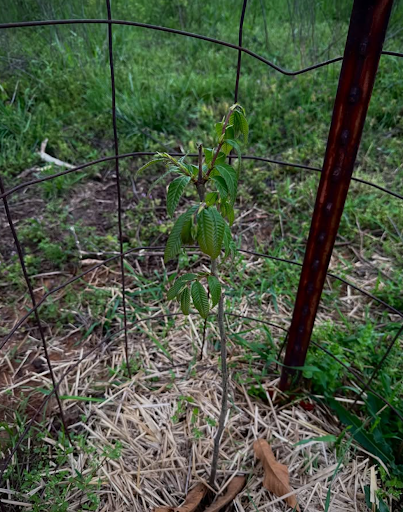
Size when shipped: 1yr old approx. 18-36in
Spacing: 25-30ft
Add Late Drop and keep chestnuts falling into December.
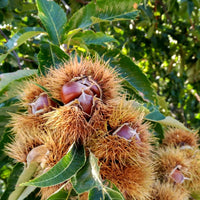
By November most acorns have been mopped up and the woods go quiet. Late Drop Hybrids are selected to drop Nov–late Dec, right when deer have the fewest options. Our recommendation: a 1:1 mix.
Questions we get about Honey Locust
We don't ship on the day you order. We take orders in advance and ship at the proper time for spring planting in each region — from mid-December in the Deep South through the end of May up north. Pick your state below to see your exact window. Orders placed after your region has already shipped go out within 5–10 business days.
A Tree Pro grow tube and a slow-release fertilizer block for one tree. The tube protects the seedling from deer and rabbits and can double its growth rate; the fertilizer block feeds the tree through its first growing season. Every tree we ship is already inoculated with beneficial mycorrhizae, so there's nothing else to add — plant it in the kit, follow the Growing Guide, and it's covered by our 1-Year Survival Guarantee.
Plant with a Survival Kit and we guarantee the tree for a full year. If a tree dies within one year of the day it's delivered, we'll issue you store credit for what you paid for it. You don't have to worry about spending your money on something that may or may not make it.
To be covered, plant each tree with one of our Survival Kits (a Tree Pro tube and a slow-release fertilizer block), keep the tube on, and follow our planting instructions. Email us photos and your order number within a year of delivery.
For all details and conditions, see here: 1-Year Survival Guarantee