Red Mulberry
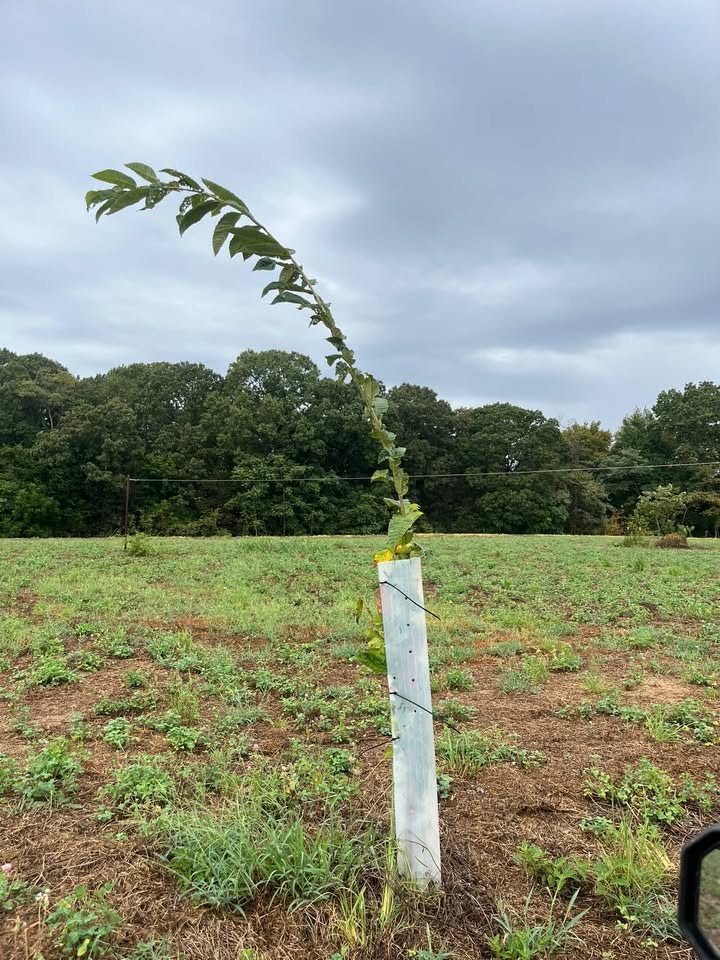
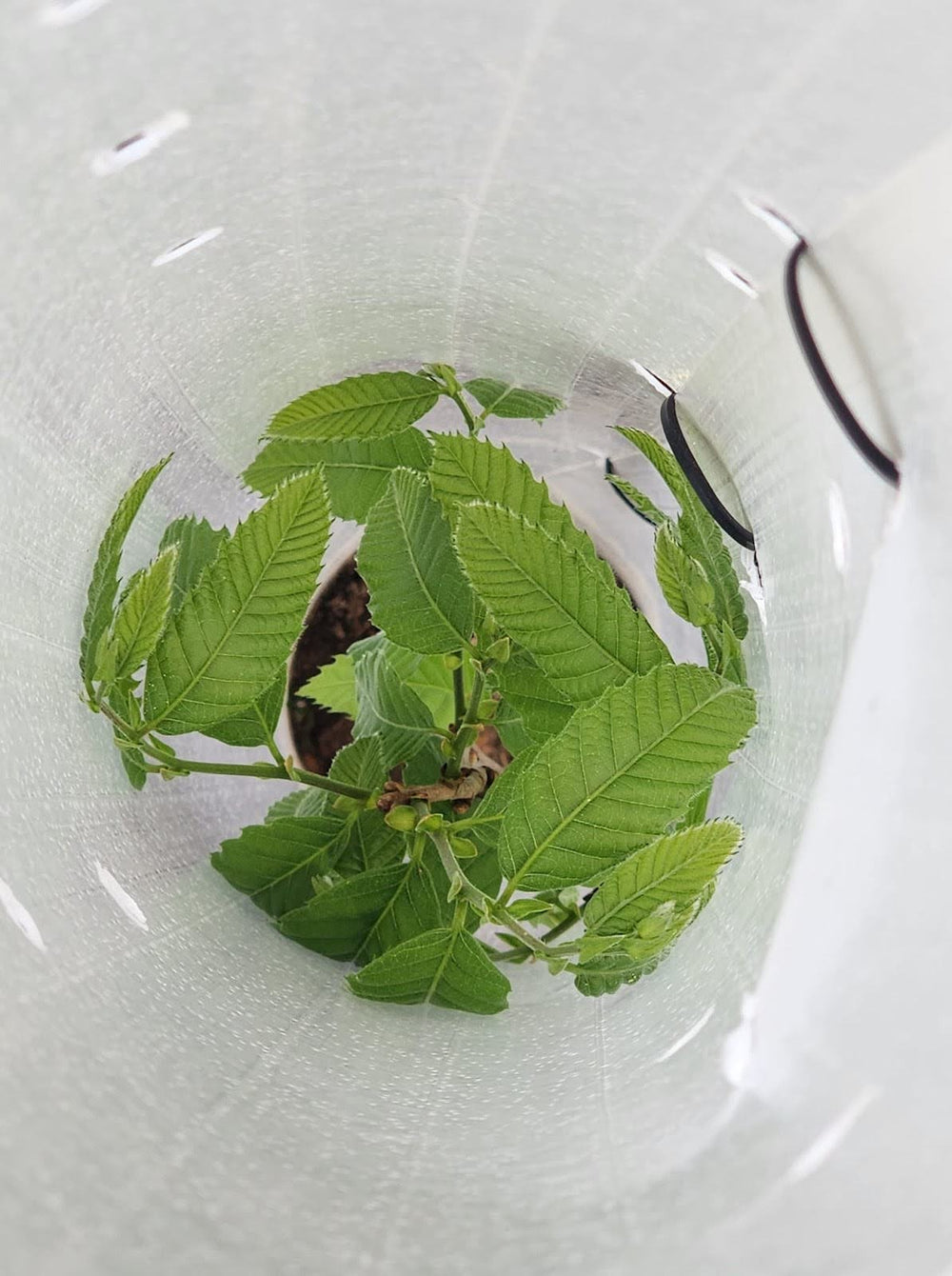
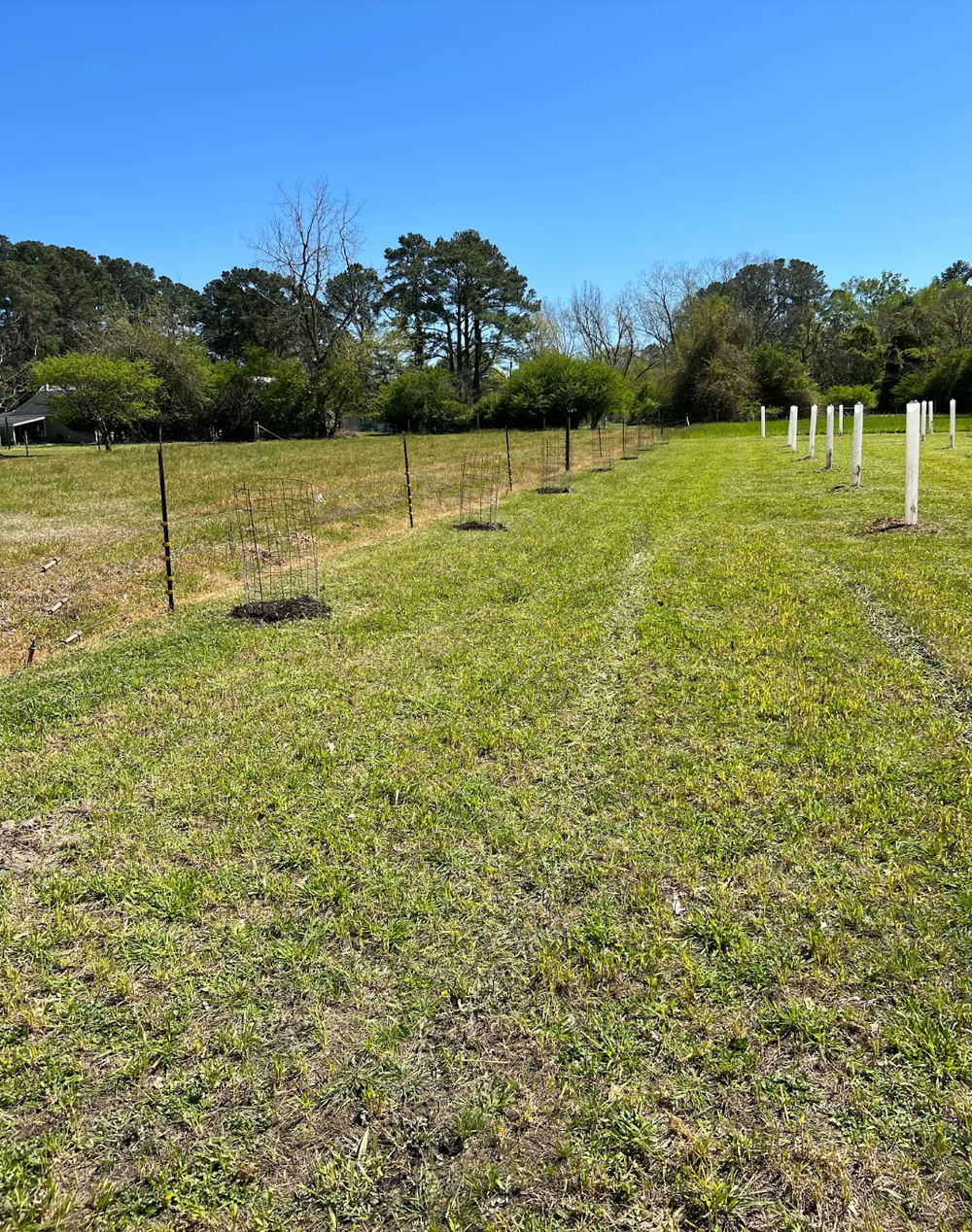
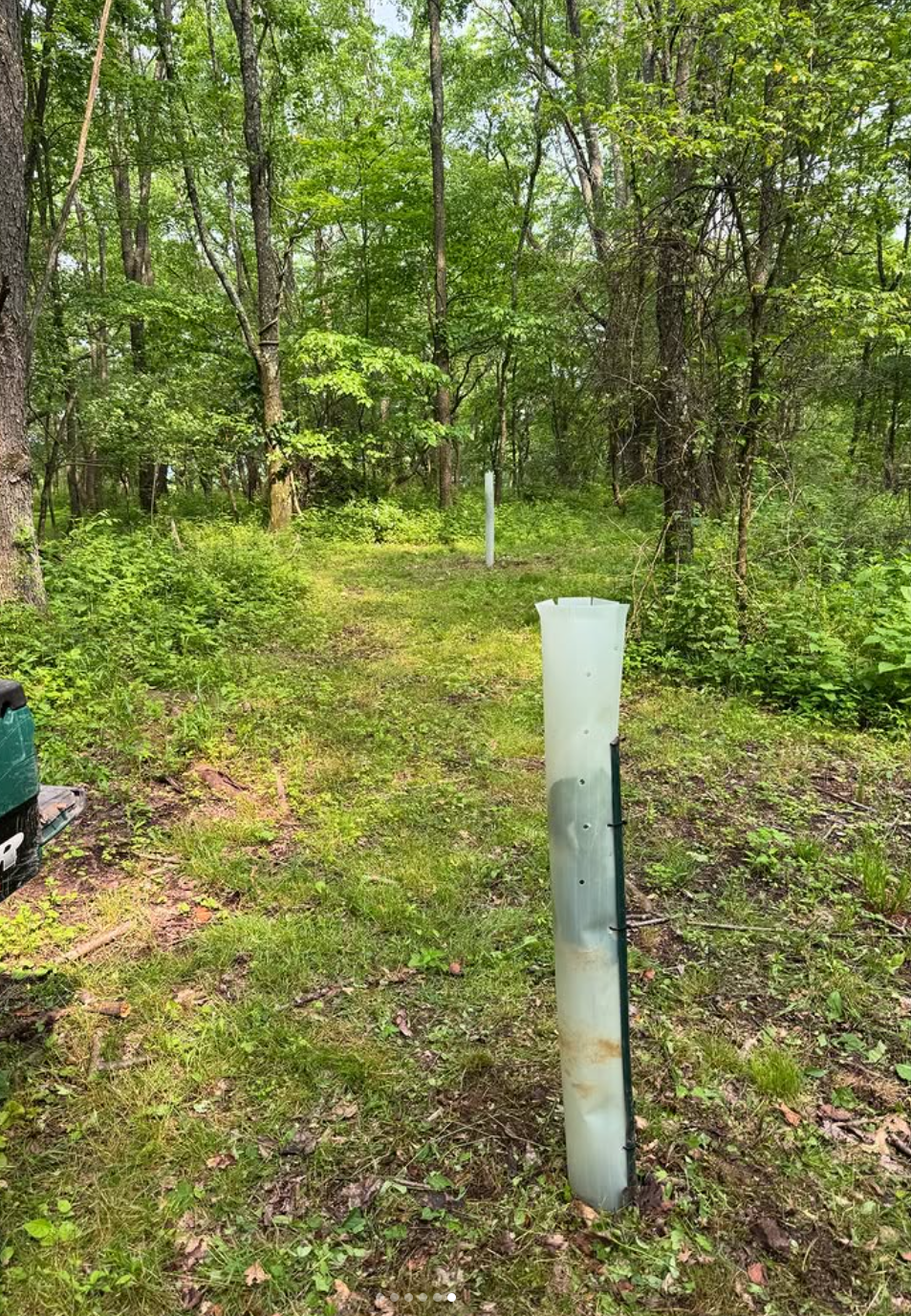
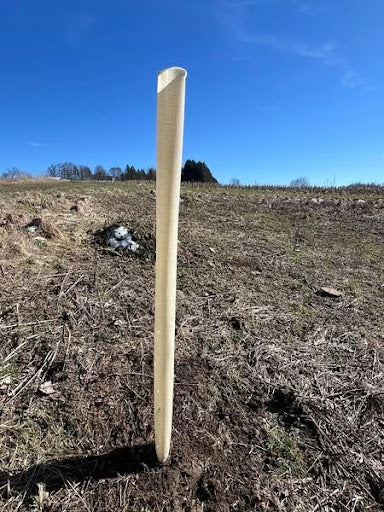
You're making an investment in your land — protect it. Each kit has a Tree Pro tube and a slow-release fertilizer block for one tree. The tube keeps deer and rabbits off and can double your growth rate; the fertilizer feeds the tree through its first season. Plant with a kit, follow the Growing Guide, and your trees are covered by our 1-Year Survival Guarantee.

What you're planting
- Drop Time
- April – June
- First Crop
- 3–4 years
- Produces
- Every year
- Pollination
- Plant 3 or more
- Zones
- 4–9
- Sun
- Full sun, tolerates partial shade
- Soil & Site
- Prefers well-drained, fertile ground — bottoms and slopes. pH 4.5–7.0.
- Size & Spacing
- 30–60ft · plant 20–30ft apart
Spring food source for deer, turkeys, upland birds, and songbirds
Orders placed now are for Spring 2027 shipment
We take orders in advance and ship at the proper time for spring planting in your region — mid-December in the Deep South through the end of May up north. Pick your state under "When Will My Order Ship?" below and you’ll see your exact ship dates. Get your order in now, we sell out early every season!
Red Mulberry
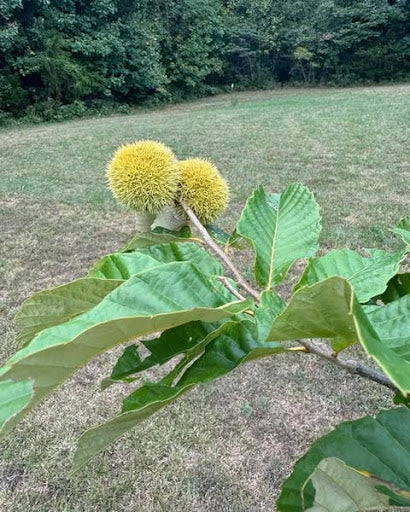
Red mulberries are one of the most unknown, yet valuable trees you can plant for wildlife. Red mulberries are a very hardy, native fruit tree to Eastern North America that grow and produce extremely quickly, and provide food when few other sources are producing.
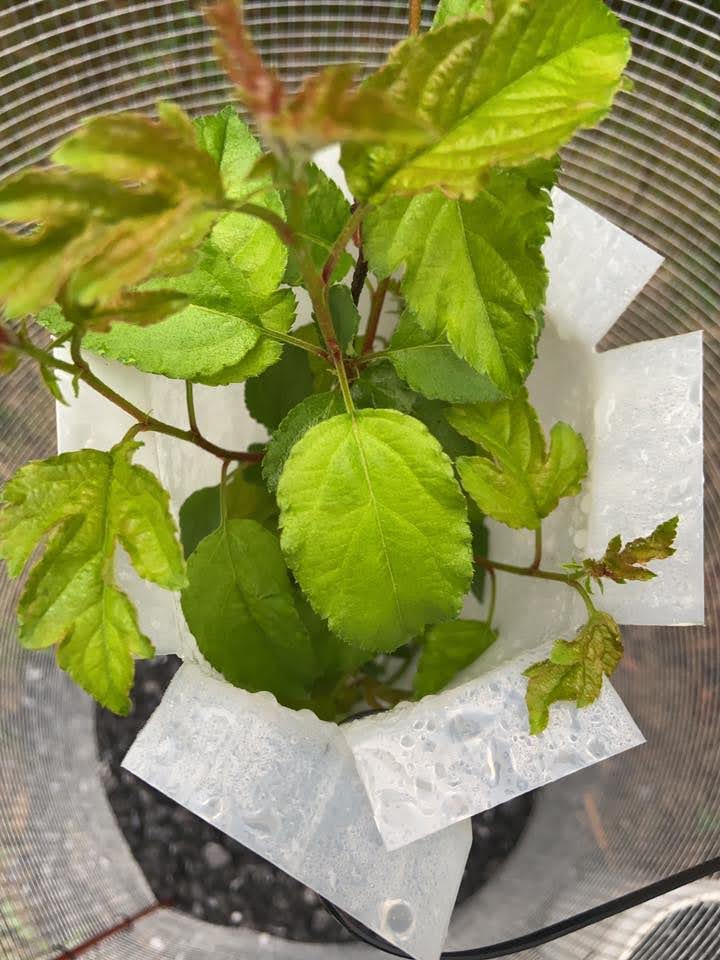
Mulberries grow extremely rapidly and can sometimes show double the growth rate of other deciduous trees like oaks or persimmons. Mulberries not only grow quickly, they start producing quickly as well. Fruit production begins as early as 3-4 years and by years 5-7 they are often producing large and very attractive crops.
Mulberries are the first fruits of the year to drop, in late spring-early summer. This is a time when little else is producing and these fruits fill an important niche in your wildlife's nutrition. Due to the timing, all wildlife flock to mulberries including deer, turkeys, squirrels. Even coyotes and raccoons stop by mulberry trees. They are edible to humans as well and are quite good. Many old recipes using mulberries can be found online.
Mulberries tend to have large volumes of seedlings that sprout around their bases similar to some species of plums. Deer absolutely love the foliage of these seedlings and they serve as yet another food source provided by the mulberry tree.
Mulberries are a fantastic food source that provides food for wildlife at a crucial time of year when turkeys and deer need it. They provide excellent attraction and nutrition for your land and will greatly improve the quality of your habitat. Every landowner needs a few mulberries somewhere on their land.
Plant each tree with one of our Survival Kits (a Tree Pro tube and a slow-release fertilizer block), follow our planting instructions, and it’s covered by our 1-Year Survival Guarantee. Full details here.
Drop time: April-June
Years till production: 3-4
Growing zones: Zones 4-9
Soil type: Prefers well drained, fertile soils. River bottoms, moist hillsides, wooded slopes. Can tolerate salt in mild climates.
Sun: Prefers full sun but tolerates partial shade
pH: 4.5-7.0
Pollination: Plant 3 or more
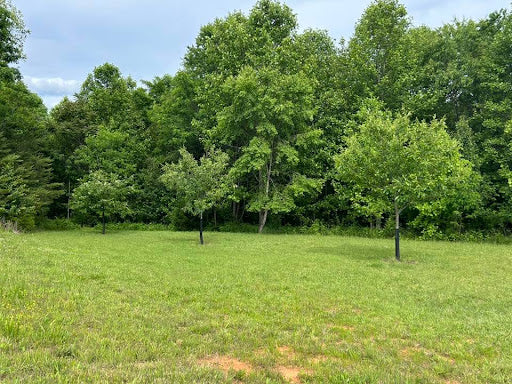
Size: 30-60ft tall at maturity
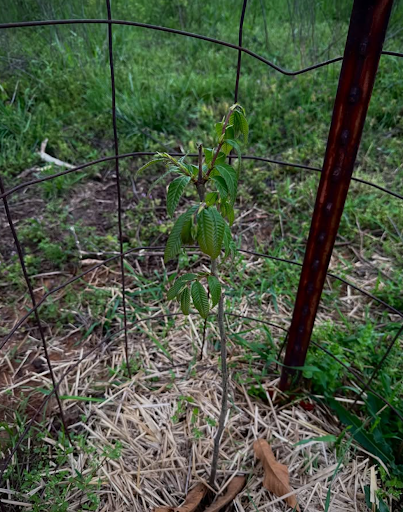
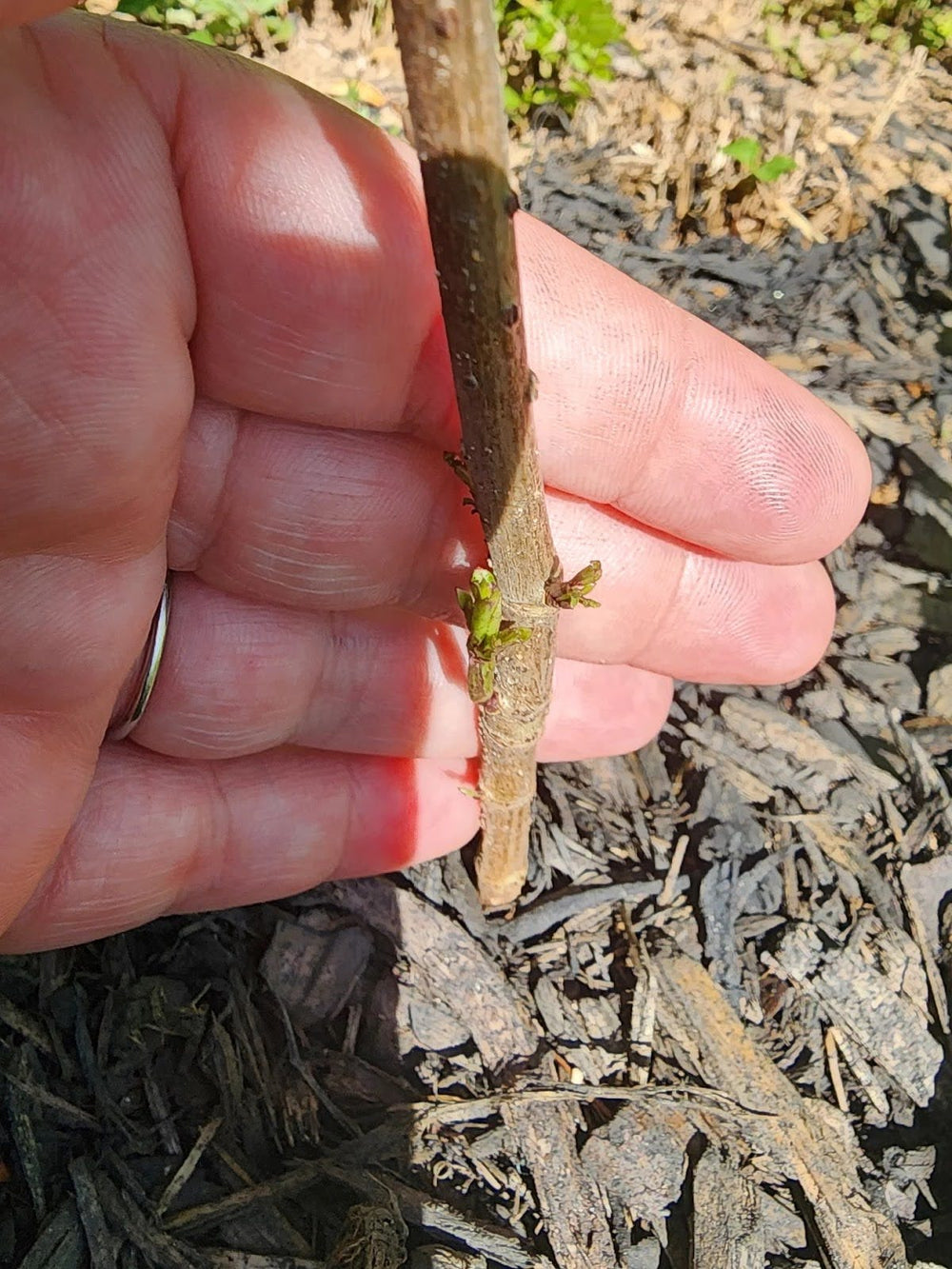
Size when shipped: 1yr old approx. 18-48in
Spacing: 20-30ft
Add Late Drop and keep chestnuts falling into December.
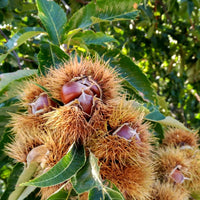
By November most acorns have been mopped up and the woods go quiet. Late Drop Hybrids are selected to drop Nov–late Dec, right when deer have the fewest options. Our recommendation: a 1:1 mix.
Questions we get about Red Mulberry
We don't ship on the day you order. We take orders in advance and ship at the proper time for spring planting in each region — from mid-December in the Deep South through the end of May up north. Pick your state below to see your exact window. Orders placed after your region has already shipped go out within 5–10 business days.
A Tree Pro grow tube and a slow-release fertilizer block for one tree. The tube protects the seedling from deer and rabbits and can double its growth rate; the fertilizer block feeds the tree through its first growing season. Every tree we ship is already inoculated with beneficial mycorrhizae, so there's nothing else to add — plant it in the kit, follow the Growing Guide, and it's covered by our 1-Year Survival Guarantee.
Plant with a Survival Kit and we guarantee the tree for a full year. If a tree dies within one year of the day it's delivered, we'll issue you store credit for what you paid for it. You don't have to worry about spending your money on something that may or may not make it.
To be covered, plant each tree with one of our Survival Kits (a Tree Pro tube and a slow-release fertilizer block), keep the tube on, and follow our planting instructions. Email us photos and your order number within a year of delivery.
For all details and conditions, see here: 1-Year Survival Guarantee