Paw Paw
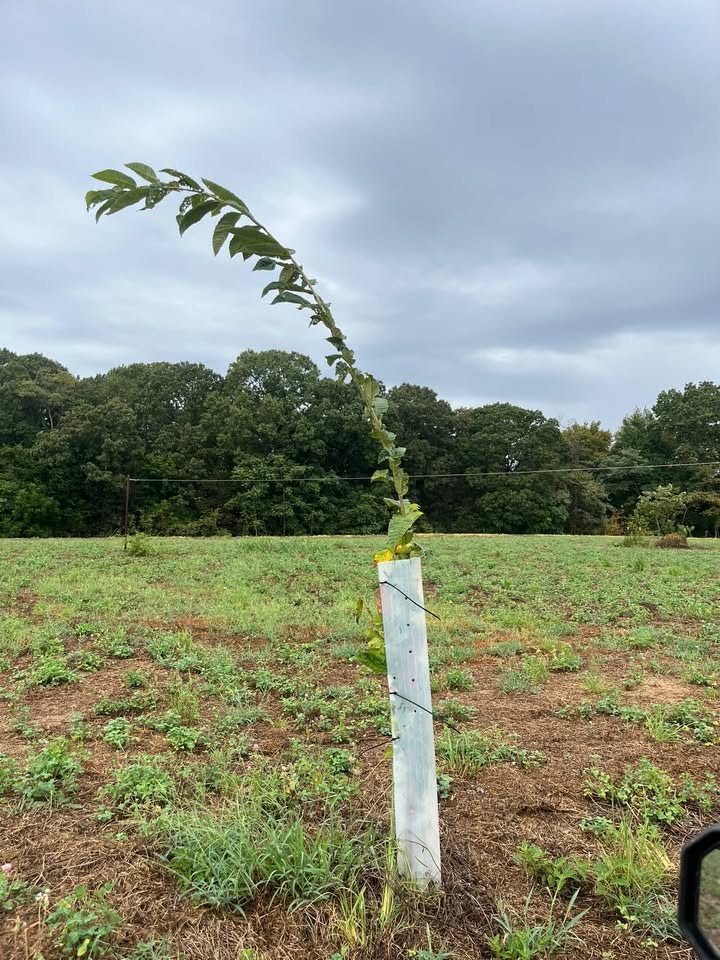
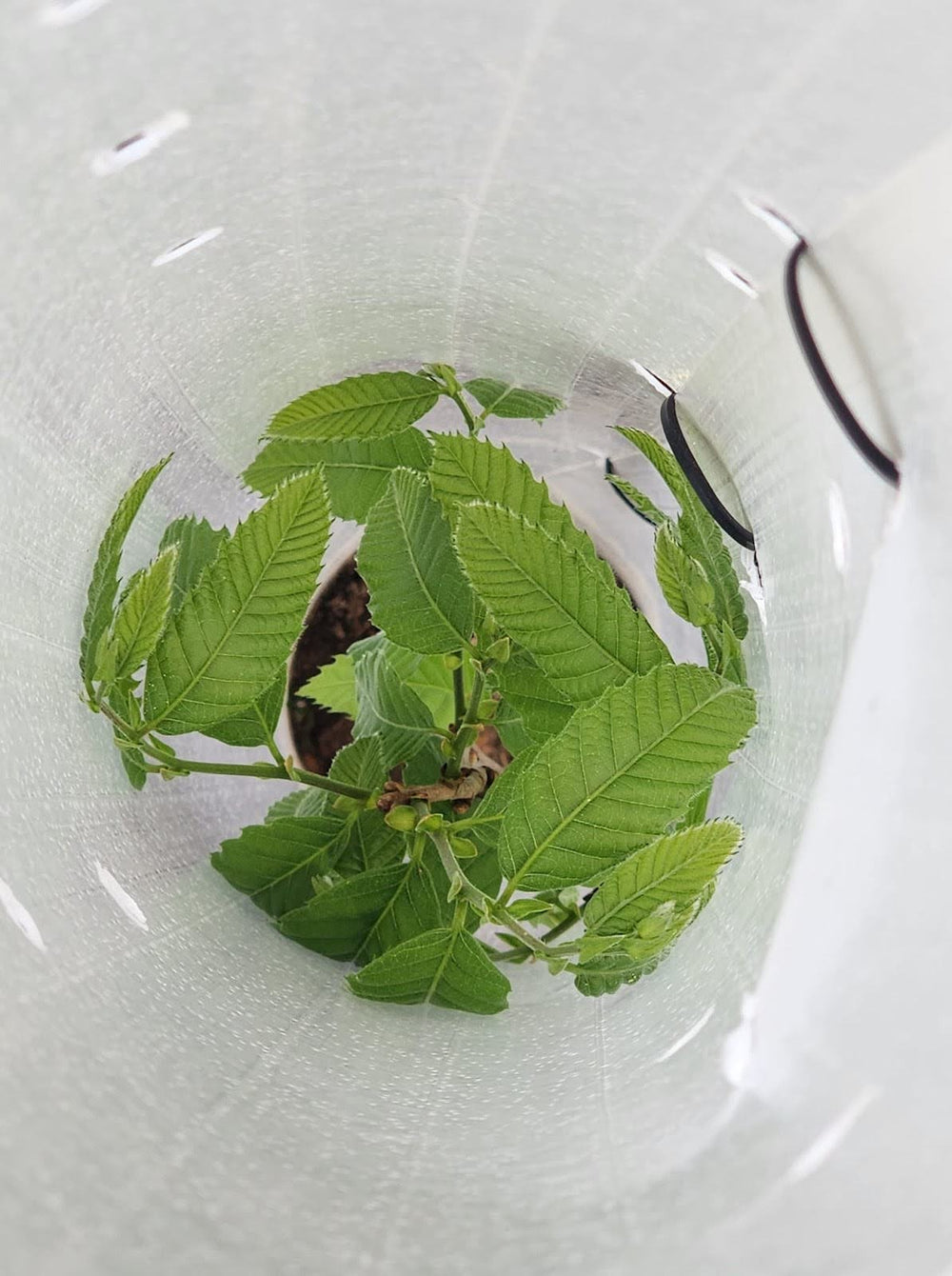
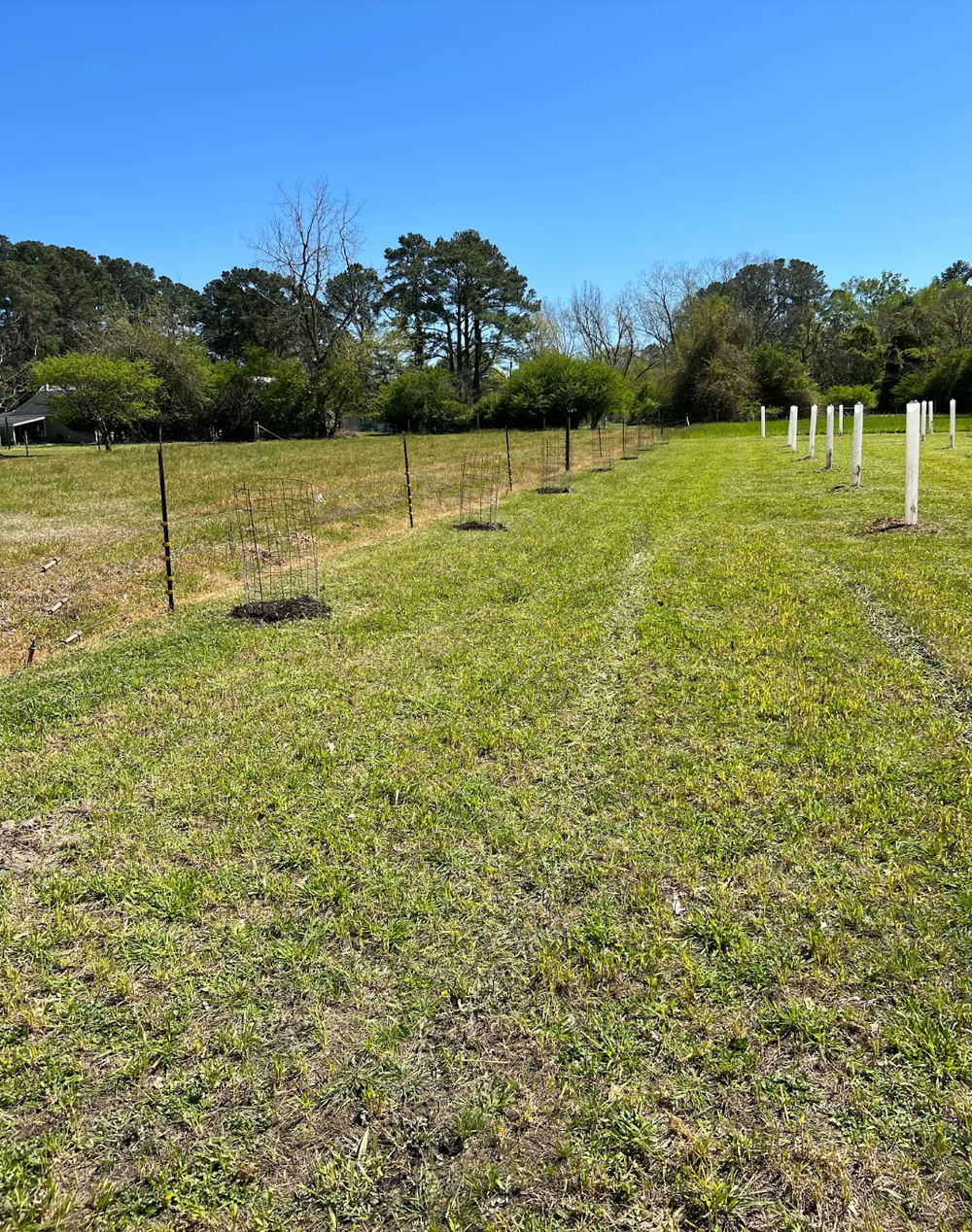
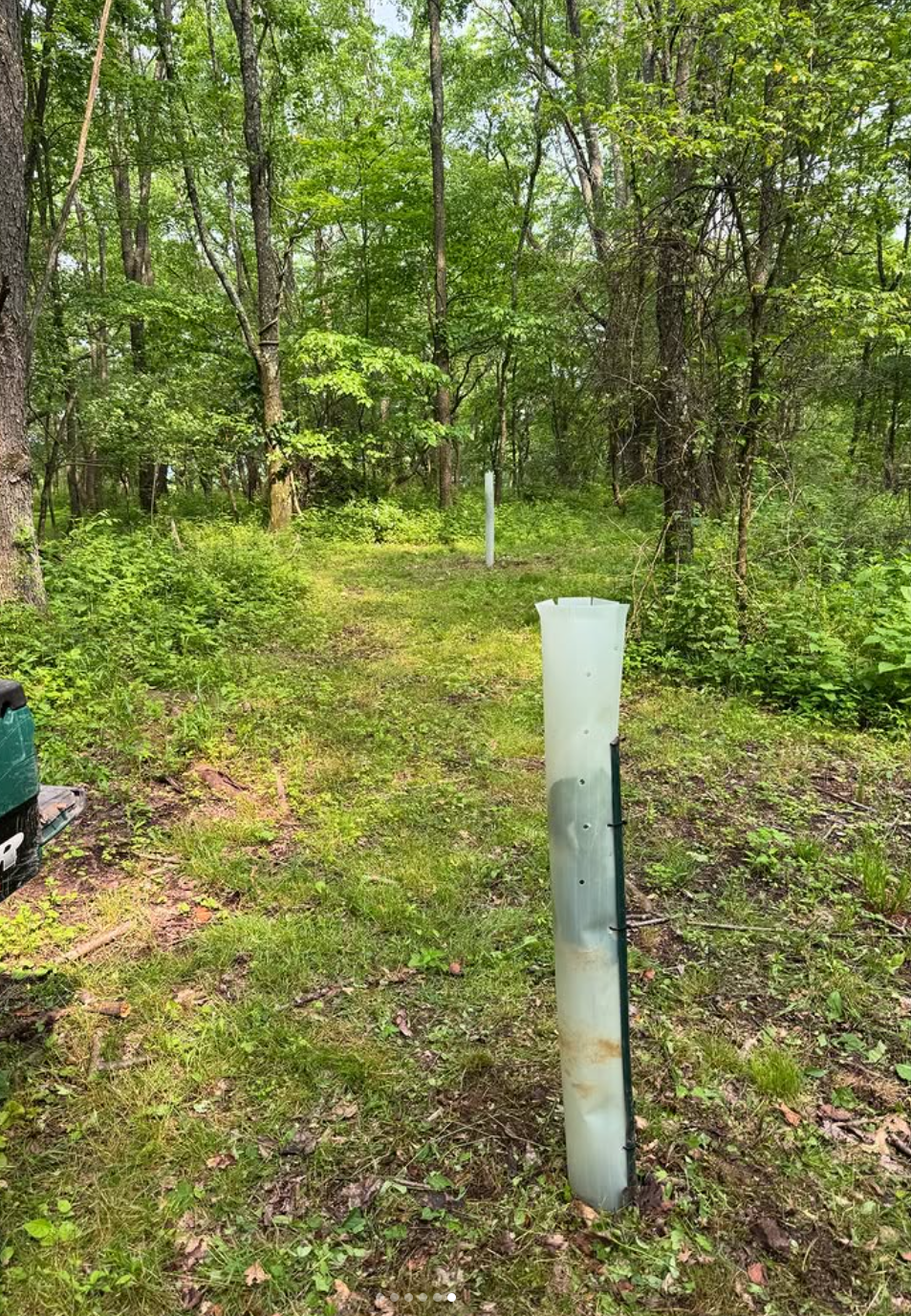
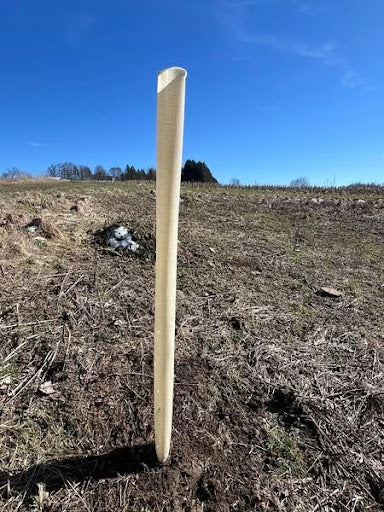
You're making an investment in your land — protect it. Each kit has a Tree Pro tube and a slow-release fertilizer block for one tree. The tube keeps deer and rabbits off and can double your growth rate; the fertilizer feeds the tree through its first season. Plant with a kit, follow the Growing Guide, and your trees are covered by our 1-Year Survival Guarantee.

What you're planting
- Drop Time
- Sept – Nov
- First Crop
- 4–8 years
- Produces
- Every year
- Pollination
- Plant 2 or more
- Zones
- 4–9
- Sun
- Partial shade (50–75% sun is ideal)
- Soil & Site
- Fertile, moist soils. pH 5.5–7.0. Takes more shade and moisture than most.
- Size & Spacing
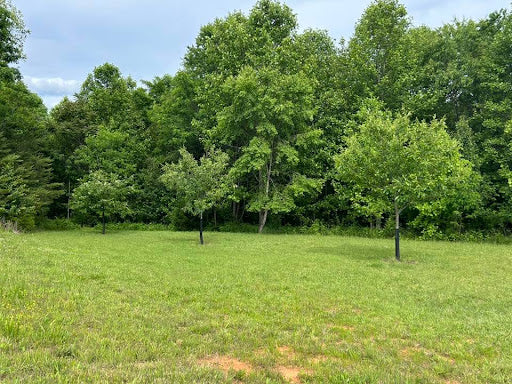
- 15–25ft · plant 15–20ft apart
Small shade-loving tree with delicious fruit
Orders placed now are for Spring 2027 shipment
We take orders in advance and ship at the proper time for spring planting in your region — mid-December in the Deep South through the end of May up north. Pick your state under "When Will My Order Ship?" below and you’ll see your exact ship dates.
Get your order in now, we sell out early every season!
Paw Paw
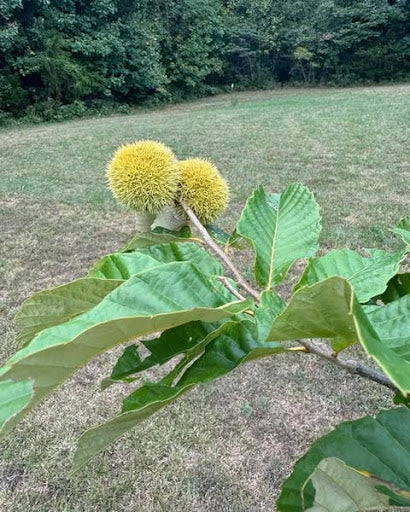
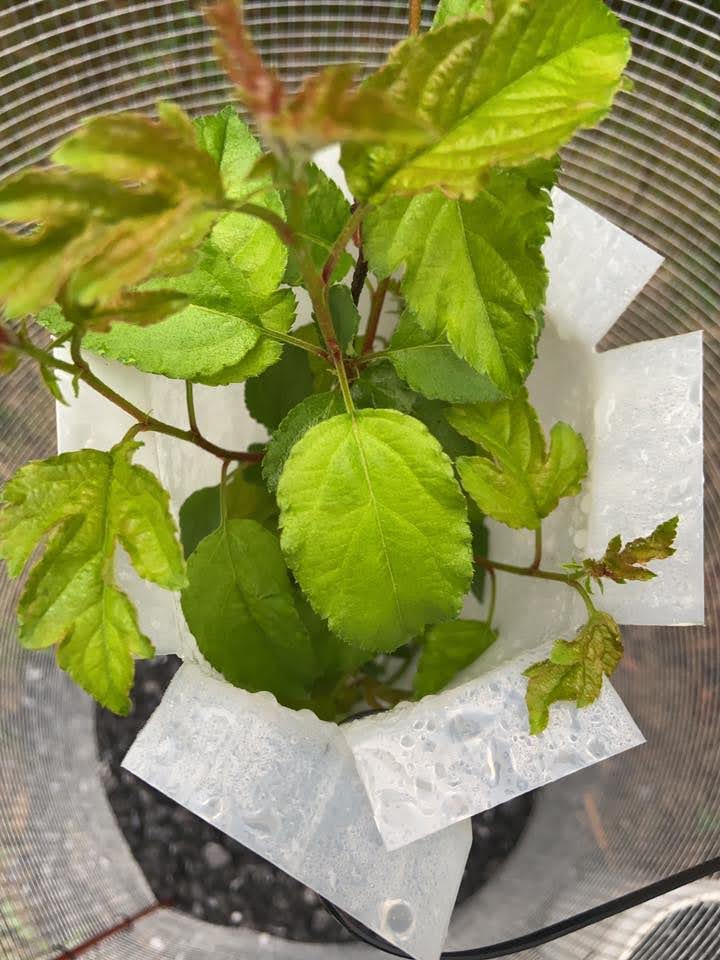
Paw Paw trees are a small tree that can have a big impact on habitat quality. They produce very attractive large fruits that are full of nutrients for wildlife and humans alike. The fruit has a wonderful taste making it extremely attractive especially for deer. Fruit production begins at an early age, usually just 4-8yrs. Pawpaw foliage has a strong taste and smell when crushed making it naturally deer resistant.
Surprisingly, despite their fruit being so attractive to deer, pawpaw foliage is repulsive to deer. Crushed paw paw leaves have a strong smell best described as a mix of bell pepper and diesel fuel, not exactly tasty. This natural defense makes paw paw trees very deer resistant, and ensures they have virtually no pest issues either. Paw paws are small trees, similarly sized to dogwoods or other understory trees.
Paw Paws produce the largest fruit of any native North American fruit tree, a 3-8in long soft green fruit that ripens in early fall. They have a great flavor, similar to a strong banana with hints of mango, pineapple, and vanilla. When they are dropping you can bet on finding concentrations of deer, raccoons, opossums, and nearly every other omnivore in the forest, mopping up these large tasty fruits. They are high in minerals such as calcium, magnesium, manganese, vitamin C, niacin, iron, and phosphorus that can aid in antler growth, bone development in fawns, and support healthy lactation in mothers in the spring. Paw paws provide nutrients that other food sources just can't match. In fact, scientists are even researching anti-cancer qualities in paw paws in humans.
Paw paws are a truly remarkable native tree that just don't get the publicity they deserve. Every landowner should consider adding paw paws. They provide great wildlife attraction, a great source of fruit production for human consumption, and if for nothing else, we think they're downright cool trees for all the unique qualities they have.
Plant each tree with one of our Survival Kits (a Tree Pro tube and a slow-release fertilizer block), follow our planting instructions, and it’s covered by our 1-Year Survival Guarantee. Full details here.
Drop time: Sept-Nov
Years till production: 4-8 yrs
Growing zones: 4-9
Soil type: Fertile moist soils preferred, can tolerate more shade and moisture than most
pH: 5.5-7.0
Sun: Partial shade preferred. 75-50% sunlight per day is optimum
Pollination: Needs at least 2 trees for pollination
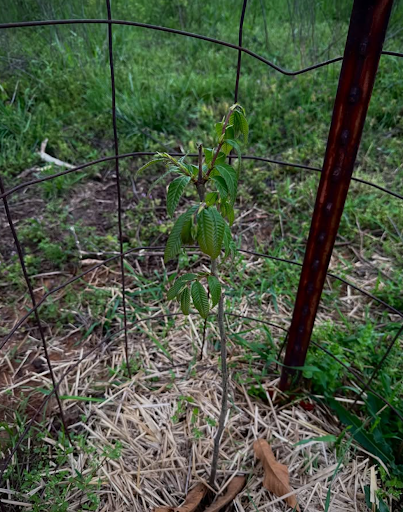
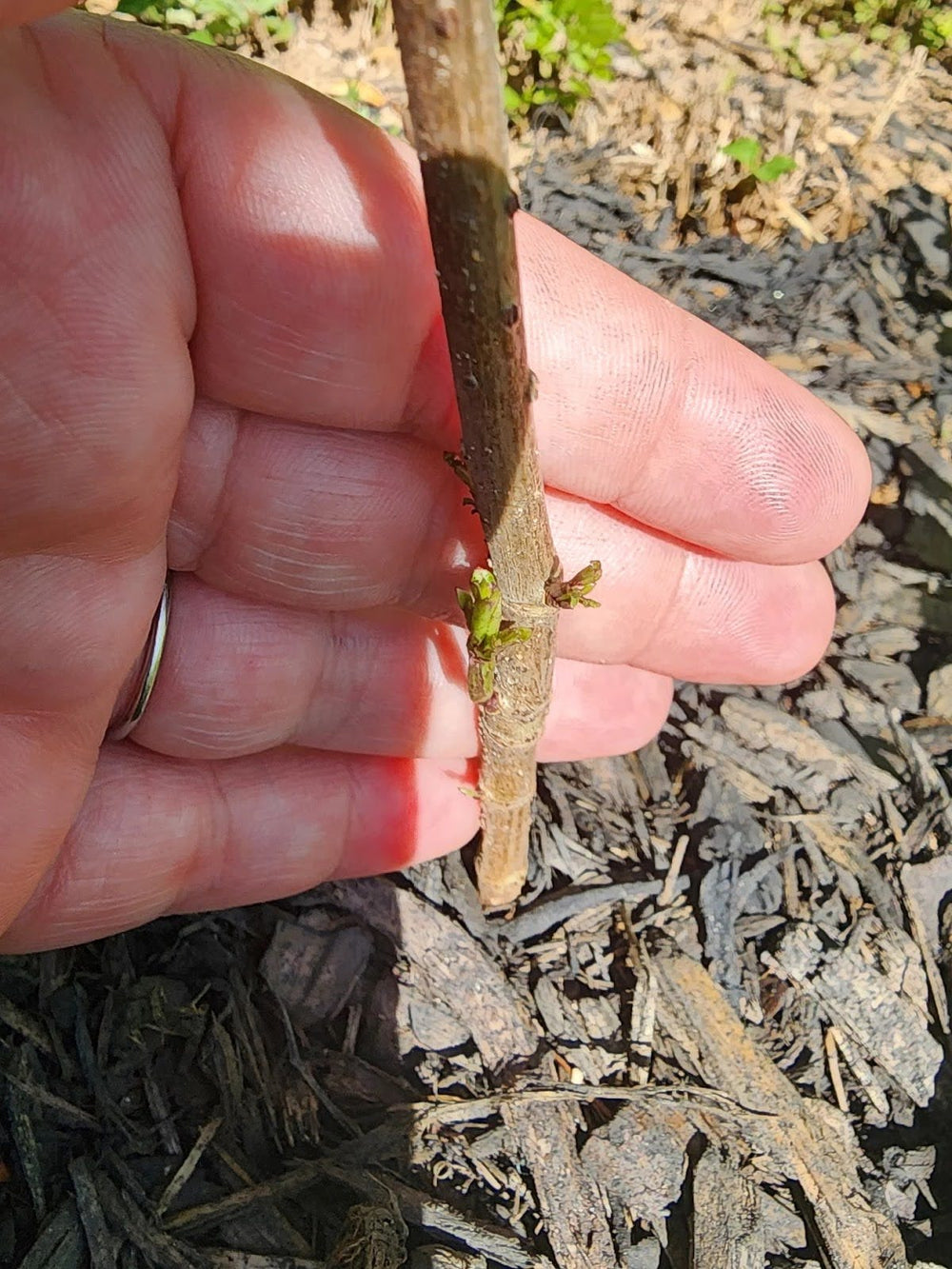
Size when shipped: 1yr old approx. 18-36in
Spacing: 15-20ft
Add Late Drop and keep chestnuts falling into December.
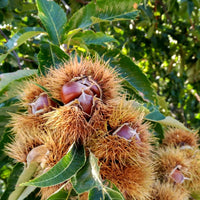
By November most acorns have been mopped up and the woods go quiet. Late Drop Hybrids are selected to drop Nov–late Dec, right when deer have the fewest options. Our recommendation: a 1:1 mix.
Questions we get about Paw Paw
We don't ship on the day you order. We take orders in advance and ship at the proper time for spring planting in each region — from mid-December in the Deep South through the end of May up north. Pick your state below to see your exact window. Orders placed after your region has already shipped go out within 5–10 business days.
A Tree Pro grow tube and a slow-release fertilizer block for one tree. The tube protects the seedling from deer and rabbits and can double its growth rate; the fertilizer block feeds the tree through its first growing season. Every tree we ship is already inoculated with beneficial mycorrhizae, so there's nothing else to add — plant it in the kit, follow the Growing Guide, and it's covered by our 1-Year Survival Guarantee.
Plant with a Survival Kit and we guarantee the tree for a full year. If a tree dies within one year of the day it's delivered, we'll issue you store credit for what you paid for it. You don't have to worry about spending your money on something that may or may not make it.
To be covered, plant each tree with one of our Survival Kits (a Tree Pro tube and a slow-release fertilizer block), keep the tube on, and follow our planting instructions. Email us photos and your order number within a year of delivery.
For all details and conditions, see here: 1-Year Survival Guarantee